
في هذا المقال
The Mercy of Prophet Muhammad (PBUH) Towards Children
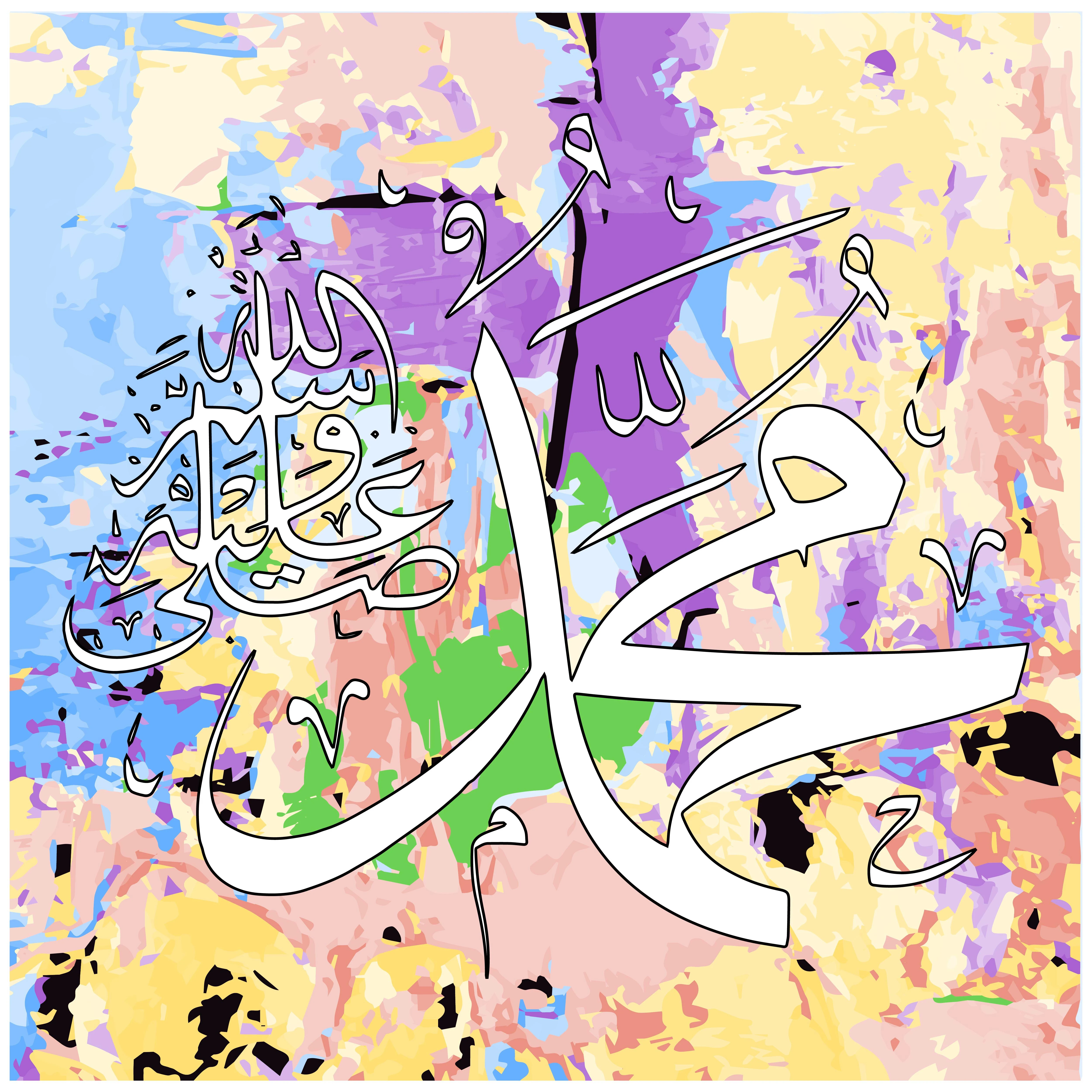
In the Holy Quran, Allah describes Prophet Muhammad (PBUH) with a comprehensive and profound attribute, saying: **"And We have not sent you, [O Muhammad], except as a mercy to the worlds"** (Al-Anbiya: 107). This mercy was all-encompassing, extending to every corner of creation, but it manifested itself in its most beautiful and profound forms in his interactions with children. He was a unique example of tenderness, gentleness, and respect for them, establishing a complete and practical methodology for dealing with this precious and vulnerable group. His treatment of children was not merely advice given to others; it was a lived reality, a daily practice that demonstrated how deeply he cared for their well-being, both physical and emotional.
## The Manifestations of His Mercy (PBUH) Towards Children
1. Love, Affection, and Genuine Emotion
The Prophet's love for children was not a theoretical or abstract concept but a visible, tangible reality that everyone around him could witness. He would openly kiss and hug his grandchildren in public, a practice that was so natural to him that it surprised some of his companions who came from harsher cultural backgrounds. Abu Hurairah (may Allah be pleased with him) narrated: "The Messenger of Allah (PBUH) kissed Al-Hasan bin Ali while Al-Aqra' bin Habis At-Tamimi was sitting with him. Al-Aqra' said, 'I have ten children and have never kissed any of them.' The Messenger of Allah (PBUH) looked at him and said: **'He who does not show mercy will not be shown mercy.'"** In another narration, a Bedouin man said to him: "Do you kiss the boys?" The Prophet (PBUH) replied: **"Can I prevent Allah from placing mercy in your heart?"** This powerful statement emphasized that mercy is a divine gift, and to deprive children of affection is to close the door to Allah's own mercy upon oneself.
This deep affection was not limited to his own grandchildren or relatives. He treated all children with equal warmth and kindness. He would often pass by groups of children playing in the streets of Medina and would stop to greet them with a smile, patting their heads gently and asking about their affairs. This simple act made the children feel seen, valued, and loved by their leader, creating a bond of trust and affection between them and him.### 2. Playfulness, Joy, and Interest in Their Concerns
One of the most beautiful aspects of the Prophet's (PBUH) mercy was his willingness to step down from his adult world to enter the world of children, sharing in their games and joys. He did not consider childish activities beneath him; instead, he participated with genuine delight. One of the most touching examples is his relationship with Abu 'Umair, the young brother of Anas bin Malik (may Allah be pleased with him). Abu 'Umair had a small bird called *An-Nughayr* (a nightingale-like bird) that he loved dearly. Whenever the Prophet (PBUH) saw the boy, he would cheerfully greet him with the playful title "Abu 'Umair" (father of 'Umair), and then ask with a smile: **"O Abu 'Umair, what did An-Nughayr do?"** or **"What happened to An-Nughayr?"** This repeated question was a source of immense joy for the child, as it showed that the Prophet remembered him and his little pet, valuing what was important to the boy. When the bird eventually died, the Prophet (PBUH) sat with the grieving boy, spending time with him, consoling him, and sharing his sorrow.
The Prophet (PBUH) also engaged in physical play with his grandchildren. He would chase Al-Hussein (his grandson) through the streets of Medina in a playful game of tag until he caught him. He would place Al-Hasan, Al-Hussein, and Usama bin Zaid (who were all young children) on his thighs in front of him, gathering them together in a loving embrace, and would pray for them with beautiful supplications. These actions demonstrate that he understood the importance of play in a child's development and that he was not too dignified or preoccupied to participate actively in their joy.
### 3. Respecting the Child's Personhood and Honesty
The Prophet (PBUH) treated children with profound respect, always mindful of their feelings and their developing sense of trust. He forbade adults from lying to children or deceiving them in any way, teaching that a child's trust is a sacred trust that must never be broken. Abdullah bin 'Amir (may Allah be pleased with him) narrated: "My mother called me one day while the Messenger of Allah (PBUH) was sitting in our house. She said, 'Come here, I will give you something.' The Prophet (PBUH) asked her: **'And what did you intend to give him?'** She replied, 'I intend to give him some dates.' The Prophet (PBUH) said: **'If you had not given him anything, a lie would have been recorded against you.'"** This powerful teaching emphasizes that even a seemingly insignificant promise to a child carries immense weight and that failing to fulfill it is a form of dishonesty.
This deep respect for the child's personhood also extended to involving them in decisions that affected them. The Prophet (PBUH) would consult with children, and he was careful not to belittle their opinions or treat them as if they did not matter. He recognized the emotional intelligence of children and treated them as individuals with rights, feelings, and a need for truthfulness.
### 4. Consideration for Mothers and Relieving Their Burden in Prayer
The Prophet (PBUH) was remarkably considerate of the feelings and needs of mothers, especially when they were performing their religious duties. He understood the distress a mother feels when her child is crying, and he showed this empathy even during acts of worship. He would sometimes lead the congregational prayers, intending to prolong them for the benefit of those praying behind him. However, if he heard a child crying, he would immediately shorten his prayer, out of his profound mercy and consideration. He famously said: **"I start the prayer with the intention of prolonging it, but when I hear the crying of a child, I shorten my prayer, fearing that I may make it difficult for his mother."** This act demonstrates that his mercy was not abstract but practical and dynamic, adapting to the real-time needs of the community, especially the vulnerable.
### 5. Gentleness with Children During Prayer and Carrying Them
The Prophet's (PBUH) gentleness and affection towards children extended even into the sanctuary of the mosque and the act of prayer itself. He was once praying while carrying his granddaughter, Umamah bint Abi Al-As (the daughter of his daughter Zainab). He would place her on his shoulder or neck as he stood, and when he bowed (ruku'), he would gently put her down, and when he stood up again, he would lift her back up. This shows that he prioritized the child's comfort and closeness over any rigid formality.
On another occasion, he was in a state of prostration (sajdah) when either Al-Hasan or Al-Hussein climbed onto his back while he was praying, treating him like a little horse. Out of his immense mercy and love, he prolonged his prostration so as not to disturb the child or rush his play. When he finished his prayer, his companions asked him about the unusually long prostration, and he replied: **"My son was riding me, and I did not want to hurry him until he had finished his need."** This incredible patience and kindness, even in the most sacred moment of connection with his Creator, shows the depth of his love and the priority he gave to the feelings of children.
## Recommendation for Orphans
The Prophet's (PBUH) mercy was comprehensive and did not distinguish between children of Muslims and others. He extended his compassion to all children, but he specifically emphasized the care of orphans, a group that was often neglected and mistreated in pre-Islamic society. He promised a special and near place in Paradise for those who care for orphans. He said: **"I and the guardian of an orphan will be like these two in Paradise,"** and he raised his forefinger and middle finger, holding them together with a slight gap to show the closeness of the two companions. In another powerful statement, he said: **"The best house among the Muslims is the house in which an orphan is well treated, and the worst house among the Muslims is the house in which an orphan is ill-treated."**
He also urged people to show simple acts of kindness to orphans, such as stroking their heads. Abu Umamah (may Allah be pleased with him) narrated that the Prophet (PBUH) said: **"Whoever strokes the head of an orphan, doing so only for the sake of Allah, will have good deeds for every hair his hand passes over."** These teachings placed the care of orphans at the heart of the Islamic social system, making it a religious duty and a path to Paradise.
## Conclusion
Through these beautiful and profound examples, it becomes exceedingly clear that Prophet Muhammad (PBUH) was, in every sense, a living example of mercy and compassion towards children. He taught not only through his words but through his actions, his patience, and his genuine love. He demonstrated that children are human beings with feelings, rights, and a need for respect and affection, and that treating them with love, gentleness, honesty, and patience is the foundation of their healthy upbringing. This comprehensive prophetic methodology serves as an eternal guide for parents, educators, and society as a whole, reminding everyone that mercy towards children is not just a recommendation but a path to earning the mercy of Allah, the Most Merciful.
تابع جديد mohamad taha safan
اختر إشعارات الموقع أو البريد أو الاثنين. الزائر يقدر يشترك ببريده دون تسجيل حساب.
الإبلاغ عن المقال
لو لاحظت مشكلة في المحتوى، أرسلها لفريق المراجعة. لن تظهر بياناتك لكاتب المقال أو للقراء.
تعذّر إرسال البلاغ الآن. حاول مرة أخرى لاحقًا.
سجّل الدخول لإرسال بلاغ


النقاش
التعليقات (0)
فكرة تضيفها، أو سؤال يفتح حوارًا.
الرجاء تسجيل الدخول لتتمكن من التعليق