Umm al-Mu'minin Sawdah.. The Gift that Revived a Sunnah
The Sorrowful Conclusion and the Spacious HeartThe
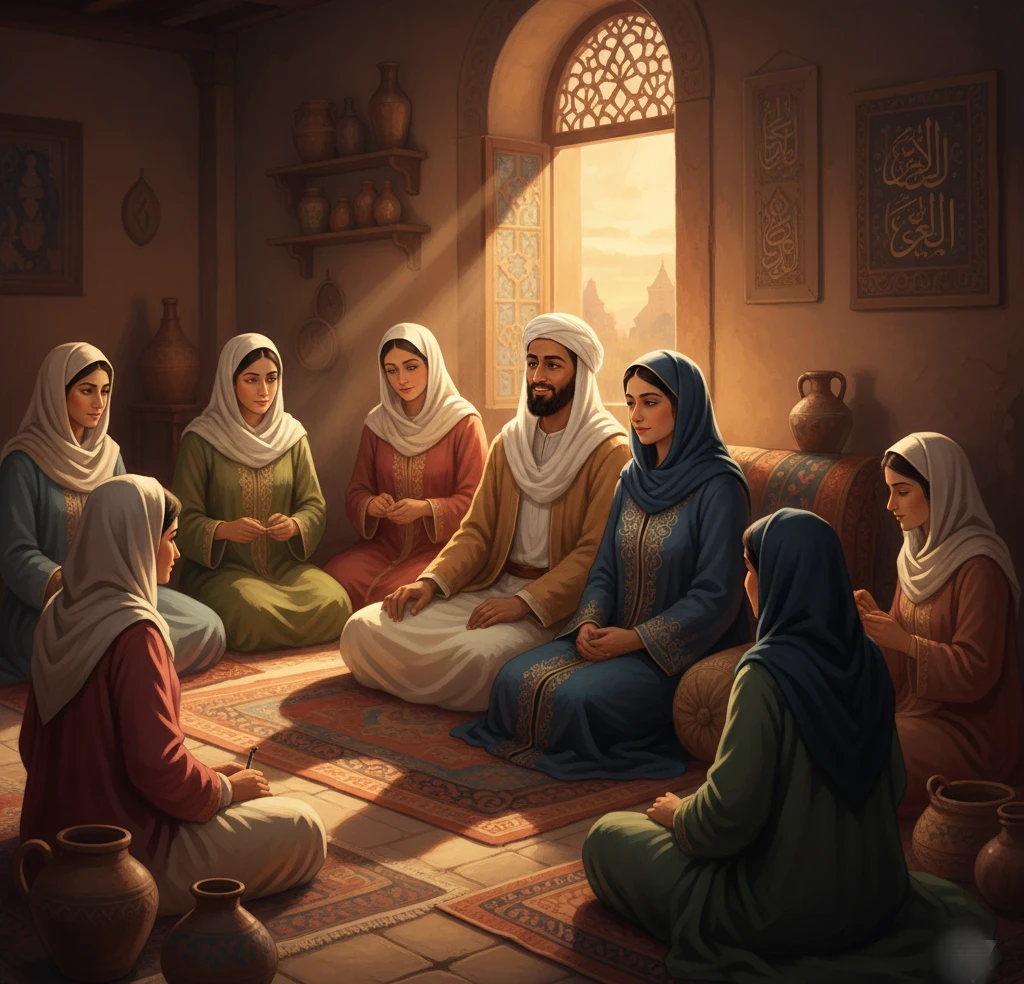
house of Prophet Muhammad ﷺ in Mecca, after the departure of Lady Khadijah - may Allah be pleased with her - resembled a sky devoid of its brilliant stars. She had been the first Mother of the Believers, the companion of the journey, the support in hardships, and the refuge he sought from the wars of misguidance and the foolishness of ignorance. So who, pray tell, could fill her place?
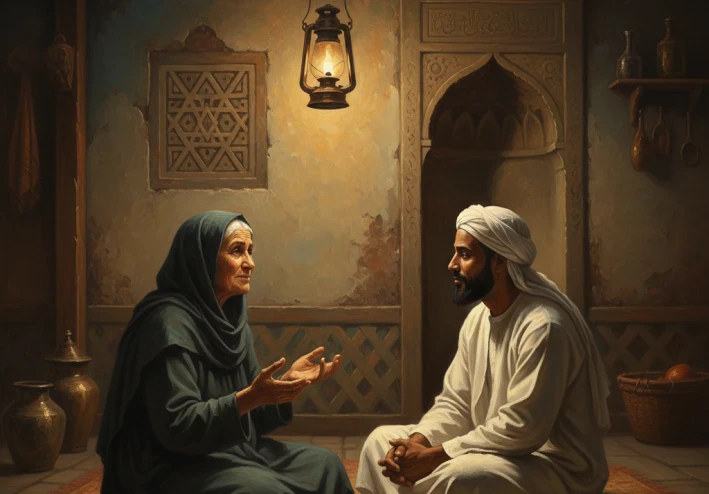
Then came Sawdah bint Zam'ah, the widow who was over thirty-five, offering herself to the noble Messenger. She said to him with the language of truth upon which great homes are built: "O Messenger of Allah, I have presented myself with what you are not unaware of regarding age, and I only wish to be resurrected among the count of your wives on the Day of Resurrection." Her heart was larger than her worldly life, and her concern was higher than the debris of existence. The Prophet ﷺ married her, and she became a house of comfort and a harbor for the spacious chest after the toil of Da'wah.
The Gift that Illuminated the Sky
Then came the prophetic engagement to the truthful Aisha, daughter of the Truthful, who was still a child of six, waiting to mature so the joy of marriage could be complete. And here occurred the scene that indicates the loftiness of character, making one realize that Islam does not build palaces from gold, but from morals that rise above the inclinations of the soul that incites to evil.
Sawdah came to the Messenger of Allah ﷺ, with the glint of wisdom in her eyes that knows no envy, and she said to him words that are among the purest ever uttered by a woman's tongue in history: "O Messenger of Allah, I have gifted my day and my night to Aisha." She - may Allah be pleased with her - wished to relinquish her legal right to the turn that each of the Prophet's wives had, to give Lady Aisha an additional night with the Messenger. She did not ask for wealth, nor did she seek fame; it was a gift purely for the sake of Allah and to bring joy to the heart of the young Prophet whom the Messenger loved immensely.
The Prophet ﷺ accepted this gift, and it became a precedent in the history of Islamic legislation, and this act became a followed Sunnah. But the question that arises: Why did Sawdah do that? Perhaps it is more fitting to say: How could she not do that when she saw in the Messenger of Allah ﷺ a light that floods the entire universe, so how could she begrudge him an hour of her life?
The Wisdom of the Woman Who Saw What the Youth Did Not See
Writers have long portrayed the wisdom of old age as a wisdom of despair and relinquishment of life's pleasures, but Sawdah presented a completely different model. Her wisdom was a wisdom of giving, not deprivation; of sacrifice, not selfishness; and of vision for the higher good that transcends the soul's desires. She realized that the Prophet's ﷺ heart inclined towards Aisha, and she saw in this inclination divine mercy, not personal competition.
Sawdah knew that this world is fleeting, and that remaining in the memory and heart of the Messenger is better than the permanence of night and day. She saw with the eye of insight what the naked eye does not see: she gifted the night and gained eternal love. She made herself a bridge of mercy between the house of Prophethood and the heart of the young Prophet, thus becoming a true mother in every sense of the word.
Sawdah.. The Woman Who Taught Us That Giving is Victory
How many people believe that possession is power, and that holding onto rights is intelligence! But Sawdah bint Zam'ah taught us that the greatest strength lies in the ability to give, and that the most profound intelligence is in seeing the greater good that may be hidden from many people.
Sawdah - may Allah be pleased with her - was an ordinary woman in appearance, but she was great in her essence. She did not bear children for the Prophet ﷺ, but she gave birth to a new meaning of love and sacrifice. She did not leave behind books to be studied, but she wrote with her action a lesson in altruism that history will never forget. She was the "Mother of the Believers" not only in name, but in deed, character, and conduct.